
A good garden plan involves more mulching and less hoeing. Mulching with leaves, straw, sawdust, or garden compost lessens much maintenance. Mulching will pay 500% in saving labor, holding moisture, and keeping down weeds.
Also let rich land and plenty of natural organic fertilizer (really abundant fertilizer) give you more vegetables with less work than poorer land or less fertilizer would provide.
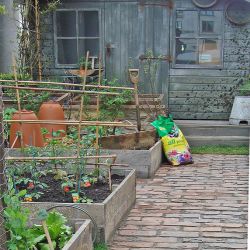
Planning a Successful Garden
- Smart Gardening - Get the man of the house to do more garden work. When I was growing up, some man said this is the secret of successful gardening... "Never plant more than your wife can cultivate!" Nowadays, however, wives are smarter. They not only get the man to help in cultivating the good garden, but have come to insist in this practice.
- Growing Quantities - Grow an abundance of vegetables to make the family healthy. Now we know we can't be healthy without them. Fresh vegetables well cooked certainly taste better than a doctor's prescription and cost less. Simply as an example of a good garden, here are 18 such vegetables.
- For vitamins A and C: leafy and yellow vegetables such as turnip an mustard greens, collards, kale, broccoli, spinach, cantaloupes.
- For more vitamin A: sweet potatoes, carrots, pumpkins, winter-type squash, Swiss chard.
- For more vitamin C: tomatoes, peppers, cabbage, Chinese cabbage, cauliflower, kohlrabi.
Let's not forget canning and freezing for off-season or year round use. Let's not make this a matter of merely preserving "surplus" produce but let's plan and plant a good garden that will provide enough for this purpose.
No meal is complete without the right herbs and spices. When planning your garden don't forget to include an area for this purpose. You might want to consider a patio or indoor herb gardens in order to have easy access to fresh cooking herbs.
Making gardening fun for the entire family
Think of growing a good garden as an adventure by constantly trying on new vegetables, new varieties, new methods of cooking.
Have the garden near the house. The nearer it is, the fewer steps one has to take. Make the garden so pretty you won't mind having it near the house.
Get the kids interested. In addition to growing vegetables for the whole family, let's have plenty of watermelons and cantaloupes for the kids (as well as older ones).
It helps to have fresh watermelon and cantaloupe to share with friends and neighbors every time they drop in all summer long!
How To Make Garden Compost
Kitchen waste, along with leaves, grass clippings, and other garden waste can all be used to generate compost. To improve soil structure use compost; it helps sandy soils retain water and loosens clay soils. This is a good replacement for commercial fertilizers, it's cheap and it's perfect for those committed to organic growing methods.
If you choose to tend a compost pile, you can pile materials and let them sit and break down on their own, or you can be more hands-on. You can simply turn the garden compost pile occasionally to shredding all materials that go into the compost, maintain proper moisture levels and the proper temperature. Or you can compost by simply burying kitchen scraps in your garden.
To start your composting project, decide on the type of bin you want to use, if any. There is a large variety of compost bins available through garden supply stores and nurseries. Bins will help keep your pile neat, they will help retain heat and moisture, and they will help avoid negative effects of wind and weather. They also help keep pests from food scraps, and your neighbors will thank you for not having to look at an ugly, uncovered pile.
Maintaining the proper mix of greens and browns will help your materials compost more quickly. Green materials include fresh plant materials like kitchen scraps, weeds, green leaves, tea bags and coffee grounds. Brown materials include dry and dead plant materials like dry brown weeds, straw, wood chips, leaves, or sawdust. The ideal ratio is one part greens to about 25 parts browns, but if it doesn't really matter how quickly your pile breaks down, you don't need to worry to much about the ratio.
When composting kitchen waste, use only vegetables, fruits and grains. Some things you don't want to compost are dairy, meat, or any oils, fats or grease, which wont break down and they will also attract pests. When adding yard waste, stay away from weeds with big root system and those that have gone to seed: you'll need to chop or break larger branches and other woody material that will otherwise take too long to break down.
It can take six weeks to two years for the process to finish generating the garden compost. This time frame depends on many factors, including your climate, the materials in your pile and the amount of effort put into it. You will need to water your pile occasionally, and you should turn your compost to aerate it. You can use a specially designed compost aeration tool or a pitchfork.
Finished garden compost can be used as a soil amendment, side dressing, mulch, and even a compost tea. It is good to use on vegetable gardens, trees, shrubs, lawns, perennials, annuals, and even house plants and potted plants.
To correct poor soil, spread two to three inches of compost over the surface and work the compost into the top six inches of dirt. For a garden or flower bed spread a one-inch layer of compost on top of the ground. One-quarter to one-half inch spread in a thick layer on your lawn annually will help maintain quality of your soil.


